
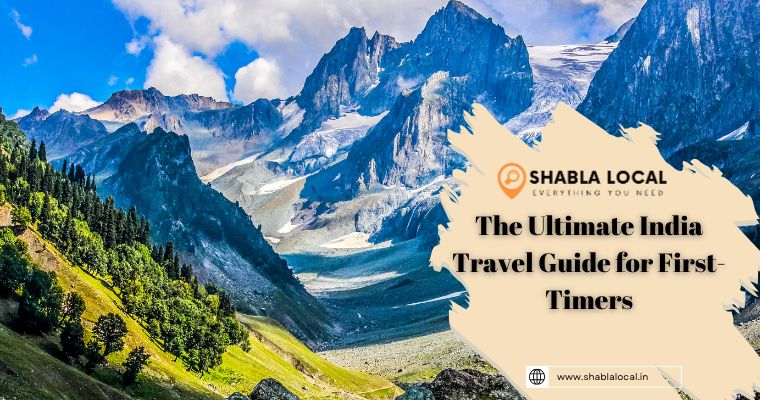
The Ultimate India Travel Guide for First-Timers
India, a land of vibrant cultures, ancient history, and breathtaking landscapes, is a destination that promises an unforgettable experience for every traveler. From the snow-capped Himalayas in the north to the sun-kissed beaches of the south, India offers a diverse range of experiences that cater to all kinds of travelers. Whether you’re a history buff, a nature lover, a foodie, or a spiritual seeker, India has something for everyone. This comprehensive guide will help first-timers navigate the complexities of traveling in India, ensuring a smooth and enriching journey.
Table of Contents
- Introduction to India
- Best Time to Visit India
- Visa and Entry Requirements
- Getting Around India
- Top Destinations in India
- – North India
- – South India
- – East India
- – West India
- Indian Cuisine: A Food Lover’s Paradise
- Cultural Etiquette and Tips
- Health and Safety Tips
- Packing Essentials
- Budgeting for Your Trip
- Conclusion
1. Introduction to India
India, the seventh-largest country in the world, is a melting pot of cultures, languages, and traditions. With a history that dates back thousands of years, India is home to some of the world’s most ancient civilizations, including the Indus Valley Civilization. The country is known for its rich cultural heritage, diverse landscapes, and warm hospitality.
India is divided into 28 states and 8 union territories, each with its own unique identity. The official languages are Hindi and English, but there are 22 officially recognized languages and over 1,600 dialects spoken across the country. The currency is the Indian Rupee (INR), and the time zone is Indian Standard Time (IST), which is UTC +5:30.
2. Best Time to Visit India
India’s vast size and diverse geography mean that the climate varies significantly from region to region. The best time to visit India depends on the regions you plan to explore:
- – North India (Delhi, Jaipur, Agra, Varanasi): The best time to visit North India is during the winter months, from October to March, when the weather is cool and pleasant. Summers (April to June) can be extremely hot, while the monsoon season (July to September) brings heavy rainfall.
- – South India (Kerala, Tamil Nadu, Karnataka, Goa): The best time to visit South India is from November to February, when the weather is mild and dry. The monsoon season (June to September) can be quite wet, especially in Kerala and Goa.
- – Himalayan Region (Leh-Ladakh, Himachal Pradesh, Uttarakhand): The best time to visit the Himalayan region is during the summer months, from May to September, when the weather is cool and the roads are accessible. Winters (October to April) can be extremely cold, with heavy snowfall.
- – East India (West Bengal, Odisha, Sikkim): The best time to visit East India is during the winter months, from October to March, when the weather is cool and pleasant. The monsoon season (June to September) can bring heavy rainfall.
- – West India (Rajasthan, Gujarat, Maharashtra): The best time to visit West India is during the winter months, from November to February, when the weather is cool and dry. Summers (March to June) can be extremely hot, especially in Rajasthan.
3. Visa and Entry Requirements
Most travelers to India require a visa to enter the country. The type of visa you need depends on the purpose and duration of your visit. Here are the main types of visas available:
- – Tourist Visa: This is the most common type of visa for travelers visiting India for tourism purposes. It is usually valid for 6 months, but longer durations are available for certain nationalities.
- – e-Visa: India offers an e-Visa facility for citizens of over 160 countries. The e-Visa is available for tourism, business, and medical purposes and is valid for 60 days from the date of entry. The application process is entirely online, and the visa is electronically linked to your passport.
- – Business Visa: If you’re traveling to India for business purposes, you’ll need a business visa. This visa is usually valid for 6 months to 1 year, depending on the nature of your business.
- – Medical Visa: If you’re traveling to India for medical treatment, you’ll need a medical visa. This visa is usually valid for the duration of your treatment, up to 1 year.
- – Student Visa: If you’re planning to study in India, you’ll need a student visa. This visa is usually valid for the duration of your course.
To apply for a visa, you’ll need to submit an application form, along with supporting documents such as your passport, photographs, and proof of travel arrangements. The processing time and fees vary depending on the type of visa and your nationality.
4. Getting Around India
India has a vast and extensive transportation network, making it relatively easy to get around the country. Here are the main modes of transportation available:
- – Flights: India has a well-developed domestic flight network, with several airlines offering regular flights between major cities and tourist destinations. Flying is the fastest way to travel long distances, especially if you’re short on time.
- – Trains: India’s railway network is one of the largest in the world, and trains are a popular and affordable way to travel around the country. There are several types of trains available, ranging from luxury trains like the Palace on Wheels to budget-friendly options like sleeper class.
- – Buses: Buses are a common mode of transportation for both short and long distances. State-run buses are affordable but can be crowded and uncomfortable. Private buses, on the other hand, offer more comfort and amenities but are more expensive.
- – Taxis and Ride-Sharing: Taxis are widely available in most cities and towns, and ride-sharing services like Uber and Ola are also popular. Always negotiate the fare before starting your journey, or use the meter if available.
- – Auto-Rickshaws: Auto-rickshaws are a common mode of transportation in cities and towns. They are affordable and convenient for short distances, but always negotiate the fare before starting your journey.
- – Car Rentals: Renting a car is a good option if you plan to explore rural areas or off-the-beaten-path destinations. However, driving in India can be challenging due to the chaotic traffic and poor road conditions. It’s recommended to hire a driver if you’re not familiar with Indian roads.
5. Top Destinations in India
India is a vast country with countless destinations to explore. Here are some of the top destinations that should be on every first-time traveler’s itinerary:
North India
- – Delhi: The capital city of India, Delhi is a bustling metropolis that offers a mix of ancient history and modern attractions. Must-visit sites include the Red Fort, Qutub Minar, India Gate, and Humayun’s Tomb. Don’t miss exploring the vibrant markets of Chandni Chowk and Connaught Place.
- – Agra: Home to the iconic Taj Mahal, Agra is a must-visit destination for first-time travelers to India. Other notable attractions include Agra Fort and Fatehpur Sikri.
- – Jaipur: Known as the “Pink City,” Jaipur is the capital of Rajasthan and is famous for its stunning palaces, forts, and vibrant bazaars. Must-visit sites include the Amber Fort, Hawa Mahal, City Palace, and Jantar Mantar.
- – Varanasi: One of the oldest continuously inhabited cities in the world, Varanasi is a spiritual hub for Hindus. The city is famous for its ghats along the Ganges River, where pilgrims come to bathe and perform rituals. Don’t miss the evening Ganga Aarti ceremony.
South India
- – Kerala: Known as “God’s Own Country,” Kerala is famous for its backwaters, lush greenery, and serene beaches. Must-visit destinations include Alleppey, Munnar, Kochi, and Kovalam.
- – Tamil Nadu: Home to some of India’s most magnificent temples, Tamil Nadu is a must-visit for history and architecture enthusiasts. Must-visit sites include the Meenakshi Temple in Madurai, Brihadeeswarar Temple in Thanjavur, and the Shore Temple in Mahabalipuram.
- – Karnataka: Karnataka offers a mix of history, nature, and modernity. Must-visit destinations include Bangalore, Mysore, Hampi, and Coorg.
- – Goa: Known for its stunning beaches, vibrant nightlife, and Portuguese heritage, Goa is a popular destination for both domestic and international tourists. Don’t miss exploring the beaches of Anjuna, Calangute, and Palolem, as well as the historic churches of Old Goa.
East India
- – West Bengal: Home to the bustling city of Kolkata, West Bengal is known for its rich cultural heritage and intellectual history. Must-visit sites include the Victoria Memorial, Howrah Bridge, and the Sundarbans mangrove forest.
- – Odisha: Known for its ancient temples and pristine beaches, Odisha is a hidden gem in East India. Must-visit sites include the Sun Temple in Konark, Jagannath Temple in Puri, and the Chilika Lake.
- – Sikkim: Nestled in the Himalayas, Sikkim is known for its stunning landscapes, Buddhist monasteries, and vibrant culture. Must-visit destinations include Gangtok, Tsomgo Lake, and the Nathula Pass.
West India
- – Rajasthan: Known as the “Land of Kings,” Rajasthan is famous for its majestic forts, palaces, and desert landscapes. Must-visit destinations include Jaipur, Udaipur, Jodhpur, and Jaisalmer.
- – Gujarat: Home to the birthplace of Mahatma Gandhi, Gujarat is known for its rich history, vibrant culture, and diverse landscapes. Must-visit sites include the Sabarmati Ashram, Rann of Kutch, and the Gir National Park.
- – Maharashtra: Home to the bustling city of Mumbai, Maharashtra offers a mix of modernity and history. Must-visit sites include the Gateway of India, Elephanta Caves, and the Ajanta and Ellora Caves.
6. Indian Cuisine: A Food Lover’s Paradise
Indian cuisine is as diverse as its culture, with each region offering its own unique flavors and dishes. Here are some must-try dishes and culinary experiences:
- – North Indian Cuisine: Known for its rich and creamy curries, North Indian cuisine is a favorite among food lovers. Must-try dishes include butter chicken, dal makhani, naan, and biryani.
- – South Indian Cuisine: South Indian cuisine is known for its use of rice, lentils, and coconut. Must-try dishes include dosa, idli, sambar, and uttapam.
- – East Indian Cuisine: East Indian cuisine is known for its subtle flavors and use of mustard oil and panch phoron (a blend of five spices). Must-try dishes include macher jhol (fish curry), rosogolla, and sandesh.
- – West Indian Cuisine: West Indian cuisine is known for its bold flavors and use of seafood. Must-try dishes include vada pav, pav bhaji, and Goan fish curry.
- – Street Food: India is famous for its street food, which offers a burst of flavors and textures. Must-try street foods include pani puri, chaat, bhel puri, and kebabs.
- – Desserts: Indian desserts are rich, sweet, and indulgent. Must-try desserts include gulab jamun, jalebi, kheer, and ras malai.
7. Cultural Etiquette and Tips
India is a country with deep-rooted traditions and customs. Here are some cultural etiquette tips to keep in mind during your visit:
- – Greetings: The traditional Indian greeting is “Namaste,” which is accompanied by folding your hands together in front of your chest. This is a respectful way to greet people, especially elders.
- – Dress Modestly: India is a conservative country, and it’s important to dress modestly, especially when visiting religious sites. Avoid wearing revealing clothing, and opt for loose-fitting clothes that cover your shoulders and knees.
- – Remove Shoes: It’s customary to remove your shoes before entering someone’s home, as well as temples and mosques. Some restaurants and shops may also require you to remove your shoes.
- – Respect Religious Customs: India is a deeply religious country, and it’s important to respect local customs and traditions. Avoid touching religious artifacts or idols, and always ask for permission before taking photos in religious sites.
- – Haggling: Haggling is a common practice in Indian markets, especially in tourist areas. Don’t be afraid to negotiate the price, but do so respectfully and with a smile.
- – Tipping: Tipping is appreciated but not mandatory in India. In restaurants, a tip of 10% is customary if a service charge is not included. For hotel staff, porters, and drivers, a small tip is appreciated.
8. Health and Safety Tips
India is generally a safe country for travelers, but it’s important to take certain precautions to ensure a healthy and safe trip:
- – Drink Bottled Water: Tap water in India is not safe to drink, so always opt for bottled water. Make sure the seal is intact before opening the bottle.
- – Eat at Reputable Restaurants: Street food is delicious, but it’s important to eat at reputable stalls and restaurants to avoid foodborne illnesses. Look for places that are busy with locals, as this is usually a sign of good hygiene.
- – Vaccinations: Make sure you’re up-to-date on routine vaccinations before traveling to India. Depending on your travel plans, you may also need vaccinations for diseases like hepatitis A, typhoid, and Japanese encephalitis.
- – Mosquito Protection: India is a tropical country, and mosquito-borne diseases like malaria and dengue are a concern. Use insect repellent, wear long-sleeved clothing, and sleep under a mosquito net if necessary.
- – Travel Insurance: It’s always a good idea to have travel insurance that covers medical expenses, trip cancellations, and theft. Make sure your insurance covers activities like trekking and adventure sports if you plan to participate in them.
- – Stay Aware of Your Surroundings: Petty theft and scams can be a concern in tourist areas, so always stay aware of your surroundings. Keep your belongings secure, and avoid displaying expensive items like jewelry and electronics.
9. Packing Essentials
Packing for India requires careful consideration, as the climate and cultural norms vary widely across the country. Here are some essential items to pack:
- – Clothing: Pack lightweight, breathable clothing for the hot and humid weather, especially if you’re visiting during the summer months. For cooler regions like the Himalayas, pack warm layers, including a jacket, sweater, and thermal wear. Don’t forget to pack modest clothing for visiting religious sites.
- – Comfortable Footwear: India involves a lot of walking, so pack comfortable footwear like sneakers or walking shoes. If you plan to visit beaches or temples, pack sandals or flip-flops that are easy to slip on and off.
- – Travel Adapter: India uses Type C, D, and M plugs, and the standard voltage is 230V. Make sure to pack a universal travel adapter to charge your devices.
- – Medications: Pack a basic first-aid kit with essential medications, including pain relievers, antacids, and any prescription medications you may need. It’s also a good idea to carry a supply of oral rehydration salts (ORS) in case of dehydration.
- – Sunscreen and Insect Repellent: Protect yourself from the sun and mosquitoes by packing a high-SPF sunscreen and insect repellent.
- – Reusable Water Bottle: To reduce plastic waste, pack a reusable water bottle with a built-in filter or purification tablets.
- – Travel Documents: Keep all your important travel documents, including your passport, visa, travel insurance, and flight tickets, in a secure and easily accessible place.
10. Budgeting for Your Trip
India is known for being a budget-friendly destination, but costs can vary depending on your travel style and preferences. Here’s a rough estimate of daily expenses:
- – Budget Traveler: If you’re traveling on a budget, you can expect to spend around $20-$30 per day. This includes staying in budget accommodations like hostels or guesthouses, eating at local restaurants, and using public transportation.
- – Mid-Range Traveler: For a more comfortable experience, budget around $50-$100 per day. This includes staying in mid-range hotels, eating at a mix of local and mid-range restaurants, and using a combination of public and private transportation.
- – Luxury Traveler: If you’re looking for a luxury experience, budget around $200-$500 per day. This includes staying in luxury hotels, dining at high-end restaurants, and using private transportation or hiring a driver.
Keep in mind that entrance fees to popular tourist attractions, guided tours, and shopping can add to your expenses. It’s always a good idea to have some extra cash on hand for unexpected costs.
11. Conclusion
India is a country that captivates the hearts of all who visit. Its rich history, diverse cultures, and stunning landscapes make it a destination like no other. As a first-time traveler, it’s natural to feel overwhelmed by the sheer size and complexity of the country, but with careful planning and an open mind, your journey through India will be an unforgettable adventure.
From the bustling streets of Delhi to the serene backwaters of Kerala, from the majestic forts of Rajasthan to the spiritual ghats of Varanasi, India offers a wealth of experiences that will leave you in awe. Embrace the chaos, savor the flavors, and immerse yourself in the vibrant culture of this incredible country.
Remember, India is not just a destination; it’s an experience. So pack your bags, prepare for the journey of a lifetime, and get ready to fall in love with the incredible land of India. Namaste!
Benefits of Joining Shabla Local
- Finding Tourist places in Gorakhpur.
- Find information about the Tourist places.
- Read reviews and comments of the people.
- Promote your business on our website.
- Make it easy to find your business.
- Sell your product directly to customers.
Our Services
- Business Promotion
- Business Branding
- Digital Marketing
- Social Engineering
- Customer Excellence
- Customer Support
Disclaimer: Listings of businesses on this page are provided as a service from the Shabla Local. Shabla Local is only acting as an aggregator for the business listing, and can’t accept responsibility for any errors or omissions – Please ALWAYS recheck for any updates, particularly regarding contacts, price & offers. Listing or omission of any particular listing should not be taken as an endorsement or otherwise by Shabla Local of the organization or of the policies and practices embodied in the job specification or its outcome in practice.
Sources: All listings on this website, including content and images, are driven by the official website and other public sources.
Contact Shabla Local Team for more information, WhatsApp us on : +918864002802