
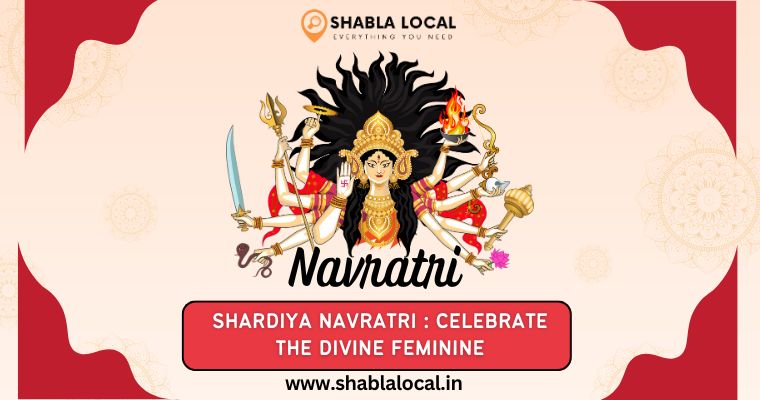
Shardiya Navratri 2024: Celebrate the Divine Feminine
Shardiya Navratri, also known as Ashwin Navratri, is one of the most significant Hindu festivals, celebrated across India and the world. It’s a nine-night and nine-day festival dedicated to worshipping the nine forms of Goddess Durga, the embodiment of divine feminine power. Each day holds a special significance, with devotees observing rituals, fasting, and participating in joyous celebrations.
Shardiya Navratri is one of the most important Hindu festivals celebrated in India and around the world. It is a nine-night festival dedicated to the worship of the goddess Durga and her nine forms. Each night of Navratri is dedicated to a different form of the goddess, and devotees observe fasting and perform religious rituals during this period.
In recent years, social media has played a significant role in promoting and sharing the traditions and significance of Shardiya Navratri.
Shardiya Navratri, also known as Mahanavratri, is a nine-day Hindu festival celebrated in autumn to honor Goddess Durga and her nine incarnations. This vibrant festival is a hallmark of Indian culture, symbolizing the triumph of good over evil and the power of the divine feminine.
When is Shardiya Navratri Celebrated in 2024?
Shardiya Navratri 2024: A Nine-Day Celebration of the Divine Feminine
Dates: October 3rd, October 12th, 2024
Key Dates and Timings for Shardiya Navratri 2024
- Start Date: October 3, 2024
- End Date: October 12, 2024
- Ghatasthapana: October 3, 2024 (between 6:15 AM and 7:22 AM or during Abhijit Muhurat between 11:45 AM and 12:32 PM)
- Pratipada Tithi (First Day): Begins October 3, 2024 at 12:18 AM and ends October 4, 2024 at 2:57 AM
- Dussehra: October 12, 2024
Shardiya Navratri vs. Chaitra Navratri
There are two main Navratri festivals celebrated throughout the year: Shardiya Navratri and Chaitra Navratri. While both festivals honor Durga, they differ in time and emphasis:
- Shardiya Navratri: Celebrated in autumn (September or October), with a focus on worship, celebration, and Garba/Dandiya Raas.
- Chaitra Navratri: Celebrated in spring (March or April), with a focus on observing fasts, meditation, and internal reflection.
Celebrate Shardiya Navratri 2024
Shardiya Navratri is a beautiful time to connect with the divine feminine, celebrate the victory of good, and experience the rich cultural traditions of India. Join the festivities or simply take some time for introspection and spiritual growth.
During the festival of Navratri, people from cities and villages come together to perform Navratri Puja in their homes or in shrines representing different manifestations of Goddess Durga. During these nine days, chanting of mantras and renditions of bhajans or holy songs accompany the Navratri Puja rituals for nine consecutive days.
Mythological Significance:
According to the scriptures, Lord Ram worshipped the Divine power to defeat the Demon King Lord Ravana and ultimately slay him. This event symbolizes the victory of Good over Evil.
- Day 1 : Shailputri – Orange (Represents stability and divine energy)
- Day 2 : Brahmacharini – White (Represents knowledge, wisdom, and penance)
- Day 3 : Chandraghanta – Red (Represents peace and prosperity)
- Day 4 : Kushmanda – Royal Blue (Represents the creation of the universe)
- Day 5 : Skandamata – Yellow (Represents motherhood and the well-being of children)
- Day 6 : Katyayani – Green (Represents courage and strength)
- Day 7 : Kalaratri – Grey (Represents the destruction of darkness and ignorance)
- Day 8 : Mahagauri – Purple (Represents inner peace and spiritual purity)
- Day 9 : Siddhidatri – Peacock Green (Represents the bestower of supernatural powers and enlightenment)
Observances and Traditions
- Fasting: Many devotees observe a complete or partial fast during Navratri, abstaining from certain foods and indulging in a simple, vegetarian diet.
- Puja Rituals: Daily prayers, offerings, and chanting of hymns are offered to the different forms of Durga.
- Gharasthapana: This ritual marks the beginning of Navratri, where a pot (Kalash) filled with grains is established, symbolizing the Goddess.
Garba and Dandiya: Vibrant dance forms expressing joy and devotion to the Goddess. People gather in circles, adorned in colorful attire, and dance to the beats of dhol and music.
Types of Navratri celebrated throughout the year
- Chaitra Navratri (March-April): Celebrated during the spring season, it’s associated with the beginning of the Hindu calendar and the creation of the universe. Some Hindus observe fasting and worship Goddess Durga for blessings for the upcoming year.
- Ashadha Navratri (June-July): Falling during the monsoon season, this Navratri is dedicated to Goddess Gayatri, the embodiment of knowledge and the sacred Gayatri mantra. It’s also associated with the five elements of nature – earth, water, fire, air, and ether. Some practitioners observe austerities and meditation during this period.
- Sharad Navratri (September-October): This is the most widely celebrated Navratri, also known as Maha Navratri. It’s a nine-day festival that honors the nine forms of Durga, culminating in the victory over the demon Mahishasura. This Navratri is marked by fasting, prayer, and vibrant cultural celebrations like Garba and Durga Puja.
- Paush Navratri (December-January): Observed during the winter season, this Navratri is dedicated to Goddess Annapurna, the provider of food and nourishment. It’s also associated with worshipping Lakshmi, the goddess of wealth and prosperity. Some devotees observe fasting and perform pujas seeking blessings for abundance.
The Grand Finale: Dussehra
As Navratri comes to a close, the spirit of jubilation reaches its peak on the final day, known as Dussehra. Dussehra commemorates the victory of Lord Rama over the demon king Ravana, symbolizing the triumph of virtue and righteousness.
Across India, different regions celebrate Dussehra in their unique ways, but the most notable of all is the enactment of the Ram Lila. The Ram Lila is a dramatic reenactment of the epic saga of Lord Rama’s journey, spanning several days. Communities gather to witness these performances, cheering as the effigies of Ravana, Meghnath, and Kumbhakarna are set on fire, symbolizing the defeat of evil forces.
Social Media and Navratri
Social media plays a significant role in promoting and sharing the traditions of Shardiya Navratri. People share pictures and videos of their celebrations, creating a virtual space for connecting with loved ones and showcasing the beauty of the festival.
Conclusion
Shardiya Navratri is a multi-faceted festival, encompassing spiritual practices, joyous celebrations, and a deep connection with the divine feminine. It’s a time for reflection, renewal, and strengthening community bonds. So, this October 3rd to 12th, join in the festivities, celebrate the power of Durga, and embrace the blessings of this auspicious occasion.
Benefits of Joining Shabla Local
- Finding Tourist places in different cities.
- Find information about the Tourist places.
- Read reviews and comments of the people.
- Promote your business on our website.
- Make it easy to find your business.
- Sell your product directly to customers.
Our Services
- Business Promotion
- Business Branding
- Digital Marketing
- Social Engineering
- Customer Excellence
- Customer Support
Disclaimer: Listings of businesses on this page are provided as a service from the Shabla Local. Shabla Local is only acting as an aggregator for the business listing, and can’t accept responsibility for any errors or omissions – Please ALWAYS recheck for any updates, particularly regarding contacts, price & offers. Listing or omission of any particular listing should not be taken as an endorsement or otherwise by Shabla Local of the organization or of the policies and practices embodied in the job specification or its outcome in practice.
Sources: All listings on this website, including content and images, are driven by the official website and other public sources.
Contact Shabla Local Team for more information, WhatsApp us on : +918864002802