
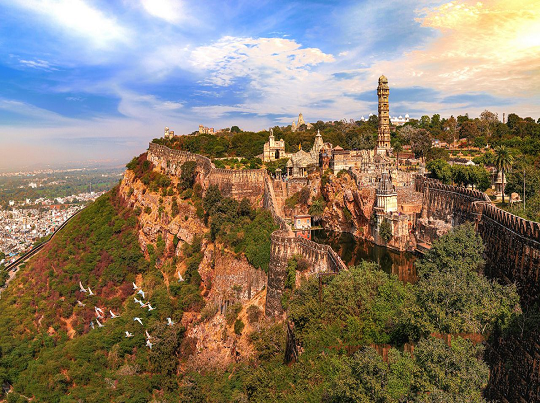
Discovering Kumbhalgarh Fort: The Great Wall of India
Introduction
Nestled in the rugged Aravalli Hills of Rajasthan, Kumbhalgarh Fort stands as a colossal testament to the architectural brilliance and indomitable spirit of the Rajput era. A UNESCO World Heritage Site, this 15th-century fortress, built by Maharana Kumbha, is renowned for its massive 36-kilometer-long wall, often called the “Great Wall of India,” second only to the Great Wall of China. This blog explores the fort’s rich history, stunning architecture, and nearby attractions, offering a guide to experiencing this majestic marvel.
Historical Significance
Constructed between 1443 and 1458 CE under the supervision of the famed architect Mandan, Kumbhalgarh Fort was commissioned by Maharana Kumbha, a visionary ruler of the Mewar kingdom. Strategically perched at 3,600 feet above sea level in the Rajsamand district, about 82 kilometers from Udaipur, the fort was designed to be impregnable. It served as a refuge for Mewar rulers during times of crisis and is famously known as the birthplace of Maharana Pratap, one of India’s most revered warriors. The fort was breached only once, through deceit when Mughal forces poisoned its water supply, underscoring its formidable defenses.
Architectural Marvels
Kumbhalgarh Fort is a masterpiece of Rajput military architecture, blending functionality with aesthetic grandeur. Key features include:
- The Great Wall: Stretching over 36 kilometers and up to 15 feet thick, the fort’s wall is the second-longest continuous wall in the world. Its seven fortified gateways, including the prominent Ram Pol and Hanuman Pol, were designed to deter invaders with sharp turns and defensive traps.
- Kailasa Temple and Other Structures: The fort houses over 360 temples, including the Neelkanth Mahadev Temple dedicated to Lord Shiva, which remains a significant pilgrimage site. The Kumbha Palace, with its grand darbar hall and separate sections for men (Mardana) and women (Zenana), features beautiful murals and panoramic views of the Aravalli hills.
- Badal Mahal: Built by Rana Fateh Singh (1884–1930), this palace within the fort is known for its elevated position and stunning views, offering a glimpse into royal life.
- Water Management System: The fort’s ingenious step wells and reservoirs ensured a steady water supply during sieges, contributing to its near-invincibility.
A fascinating legend surrounds the fort’s construction: after repeated failures to build the wall, a saint named Baid Baba suggested a human sacrifice. He volunteered himself, and the main entrance, Hanuman Pol, was built where he stopped, with a temple commemorating his sacrifice where his head fell.
Things to See and Do
Exploring Kumbhalgarh Fort is a journey through history and architecture. Must-visit spots include:
- Kailasa Temple (Cave 16): The fort’s intricate carvings and spiritual ambiance make this a highlight.
- Light and Sound Show: Held in the evenings, this show narrates the fort’s history and legends, bringing its past to life.
- Trekking the Wall: Walking along the massive wall offers breathtaking views of the Aravalli ranges, especially post-monsoon when the landscape is lush green.
Nearby Attractions
The area around Kumbhalgarh offers several attractions to enhance your visit:
- Kumbhalgarh Wildlife Sanctuary: Surrounding the fort, this sanctuary is home to leopards, sloth bears, antelopes, and various bird species. Jungle safaris organized by local operators provide a chance to explore this biodiverse region.
- Ranakpur Jain Temple: Located about 50 kilometers away, this 15th-century temple is renowned for its stunning marble architecture and intricate carvings.
- Parshuram Mahadev Temple: A cave temple dedicated to Lord Shiva, offering a spiritual detour for visitors.
- Ghanerao Village: A quaint village nearby, known for its traditional Rajasthani culture and historic havelis.
Visiting Kumbhalgarh
- Best Time to Visit: November to February for pleasant weather, or July to August for lush greenery during the monsoon.
- Timings and Fees: The fort is open from 9 AM to 6 PM. Entry fees are INR 10 for Indians and INR 100 for foreigners, with an additional INR 25 for video cameras.
- How to Reach: Kumbhalgarh is about 105 kilometers from Udaipur, accessible by road via taxis or buses. The nearest airport and railway station are in Udaipur.
- Tips: Wear comfortable shoes for the steep climb to the fort. Hiring a local guide is recommended to uncover the fort’s stories. Respect conservation rules, such as avoiding touching delicate structures.
Conclusion
Kumbhalgarh Fort is more than a historical monument; it’s a living narrative of Rajasthan’s valor, ingenuity, and cultural richness. From its awe-inspiring wall to its sacred temples and scenic vistas, the fort offers an unforgettable experience for history buffs, architecture enthusiasts, and nature lovers alike. Plan your visit to this UNESCO World Heritage Site and step into the grandeur of India’s royal past.