
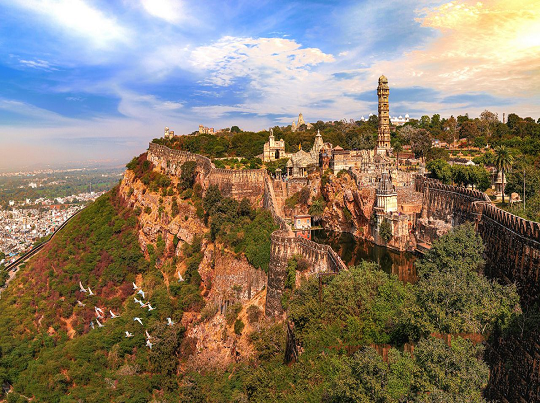
Exploring the Historical Wonders of India
India, a land steeped in history and culture, boasts an array of historical wonders that reflect its rich past. From ancient temples to majestic forts, these architectural marvels tell stories of empires, artistry, and devotion. In this blog, we explore some of India’s most iconic historical sites that continue to captivate travelers and historians alike.
1. Taj Mahal, Agra
The Taj Mahal, a UNESCO World Heritage Site, is an enduring symbol of love. Built by Emperor Shah Jahan in memory of his wife Mumtaz Mahal, this white marble mausoleum was completed in 1653. Its symmetrical design, intricate inlay work, and stunning minarets make it a masterpiece of Mughal architecture. The Taj Mahal’s ethereal beauty, especially at sunrise, draws millions of visitors each year.
Highlights:
- Architecture: Persian, Islamic, and Indian influences with perfect symmetry.
- Interesting Fact: The monument’s color appears to change with the time of day.
- Visitor Tip: Visit early in the morning to avoid crowds and experience the serene ambiance.
2. Hampi, Karnataka
Hampi, another UNESCO World Heritage Site, was the capital of the Vijayanagara Empire in the 14th century. This sprawling site is dotted with ruins of temples, palaces, and bazaars, set against a surreal landscape of boulders and hills. The Virupaksha Temple and Vittala Temple, with its iconic stone chariot, are must-see attractions.
Highlights:
- Historical Significance: Once a thriving trade and cultural hub.
- Unique Feature: The musical pillars of Vittala Temple produce distinct sounds when tapped.
- Visitor Tip: Rent a bicycle to explore the vast ruins comfortably.
3. Ajanta and Ellora Caves, Maharashtra
The Ajanta and Ellora Caves, carved into rock between the 2nd century BCE and 6th century CE, are remarkable examples of ancient Indian rock-cut architecture. Ajanta is renowned for its Buddhist cave paintings and sculptures, while Ellora features Hindu, Buddhist, and Jain temples. The Kailasa Temple in Ellora, carved from a single rock, is an architectural marvel.
Highlights:
- Artistry: Intricate frescoes and sculptures depicting Buddhist teachings.
- Unique Feature: Kailasa Temple is the world’s largest monolithic structure.
- Visitor Tip: Hire a guide to understand the historical and artistic significance of the caves.
4. Qutub Minar, Delhi
The Qutub Minar, a towering 73-meter victory tower, was commissioned by Qutb-ud-din Aibak in 1192 and later completed by his successors. This UNESCO World Heritage Site is adorned with intricate carvings and verses from the Quran. The nearby Iron Pillar, which has not rusted despite being over 1,600 years old, adds to the site’s intrigue.
Highlights:
- Architecture: Indo-Islamic style with detailed calligraphy.
- Interesting Fact: The Iron Pillar’s rust-resistant composition still puzzles scientists.
- Visitor Tip: Explore the surrounding Qutub complex, including the Alai Darwaza and Quwwat-ul-Islam Mosque.
5. Khajuraho Temples, Madhya Pradesh
The Khajuraho Group of Monuments, built by the Chandela dynasty between the 9th and 11th centuries, is famous for its exquisite erotic sculptures and intricate carvings. These UNESCO-listed temples, dedicated to Hindu and Jain deities, showcase the artistic brilliance of medieval India.
Highlights:
- Artistic Value: Over 20 surviving temples with detailed carvings of daily life, mythology, and sensuality.
- Unique Feature: The sculptures blend spirituality with human emotions.
- Visitor Tip: Attend the evening sound-and-light show for a deeper historical context.
6. Red Fort, Delhi
The Red Fort, constructed by Emperor Shah Jahan in 1648, was the main residence of the Mughal emperors. This massive red sandstone fort, a UNESCO World Heritage Site, features stunning pavilions, halls, and gardens. The Diwan-i-Aam (Hall of Public Audience) and Diwan-i-Khas (Hall of Private Audience) are architectural gems.
Highlights:
- Historical Role: Served as the political center of the Mughal Empire.
- Unique Feature: The fort’s sound-and-light show narrates its history vividly.
- Visitor Tip: Visit on Independence Day to witness the Prime Minister’s flag-hoisting ceremony.
Why Visit India’s Historical Wonders?
These sites are not just architectural feats but also windows into India’s diverse cultural and historical tapestry. Each monument tells a unique story of the era it represents, from the devotion of ancient artisans to the grandeur of imperial courts. Whether you’re a history enthusiast or a curious traveler, these wonders offer an unforgettable journey through time.
Travel Tips:
- Best Time to Visit: October to March for pleasant weather.
- Respect Local Customs: Dress modestly and follow site-specific guidelines.
- Plan Ahead: Combine nearby sites like Agra, Delhi, and Jaipur for a comprehensive historical tour.
Conclusion
India’s historical wonders are more than just monuments; they are living testaments to the country’s vibrant heritage and architectural genius. From the timeless beauty of the Taj Mahal to the ancient artistry of the Ajanta and Ellora Caves, these sites invite you to step into a world where history breathes in every corner. Exploring these marvels is not just a journey across India but a journey through time, offering insights into the cultures, empires, and philosophies that have shaped this incredible nation. Plan your visit, embrace the stories, and let India’s historical wonders leave an indelible mark on your soul.