
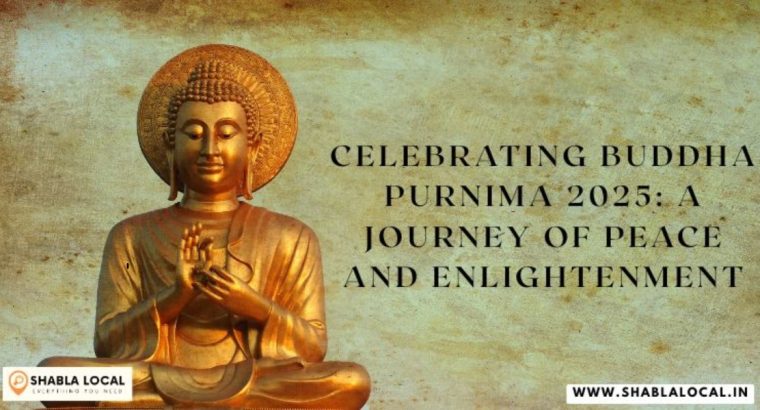
Celebrating Buddha Purnima 2025: A Journey of Peace and Enlightenment
Buddha Purnima, also known as Vesak or Buddha Jayanti, is one of the most revered festivals in the Buddhist calendar, celebrated with deep devotion across the globe. In 2025, this sacred day is expected to fall on May 12, coinciding with the full moon day of the Hindu month of Vaisakha. This auspicious occasion marks three pivotal events in the life of Gautama Buddha: his birth, enlightenment, and Parinirvana (passing away). Let’s explore the significance, traditions, places to visit, and timeless teachings of Buddha Purnima, inviting readers to reflect on its universal message of compassion and mindfulness.
The Significance of Buddha Purnima
Buddha Purnima is a “triple-blessed day,” commemorating the life of Siddhartha Gautama, who was born around 563 BCE in Lumbini, Nepal, as a prince of the Shakya clan. Raised in luxury, Siddhartha’s encounter with human suffering—old age, sickness, and death—sparked a profound spiritual quest. At 29, he renounced his princely life, and after years of meditation, he attained enlightenment under the Bodhi tree in Bodh Gaya, becoming Gautama Buddha, the “Enlightened One.” At 80, he attained Parinirvana in Kushinagar, achieving liberation from the cycle of birth and rebirth.
This festival is not only a celebration of Buddha’s life but also a reminder of his teachings, which emphasize compassion (Karuna), nonviolence (Ahimsa), and the path to liberation through the Four Noble Truths and the Noble Eightfold Path. In Hindu tradition, Buddha is revered as the ninth avatar of Lord Vishnu, making the day significant for Hindus as well.
How Buddha Purnima is Celebrated
Buddha Purnima is observed with great reverence in countries like India, Nepal, Sri Lanka, Thailand, and beyond, each adding its unique cultural flavor to the celebrations:
- Prayers and Meditation: Devotees visit temples, such as the Mahabodhi Temple in Bodh Gaya, to offer prayers, chant sutras, and meditate, reflecting on Buddha’s teachings. Many participate in full-moon meditations, believed to be spiritually potent due to the lunar energy.
- Acts of Generosity: Charity is a cornerstone of the festival. Buddhists donate food, clothes, and alms to the less fortunate, embodying Buddha’s emphasis on kindness and selflessness.
- Decorations and Processions: Temples and homes are adorned with flowers, candles, and Buddhist flags, symbolizing peace and purity. In regions like Sikkim and West Bengal, colorful processions with hymns and Buddhist flags create a festive atmosphere. The five colors of the Buddhist flag—blue (compassion), yellow (Middle Path), red (blessings), white (purity), and orange (wisdom)—hold deep symbolic meaning.
- Rituals and Ceremonies: A popular ritual involves bathing the statue of baby Buddha with water or special flower juice, symbolizing purity and renewal. In India, devotees may take dips in holy rivers like the Ganga to cleanse sins.
- Cultural Variations: In Japan, Buddha Purnima is celebrated as Hanamatsuri (Flower Festival), with statues of Buddha decorated with fresh flowers. In China, devotees light incense and lanterns at pagodas, while Sri Lanka hosts grand Vesak celebrations with illuminated displays.
Key Teachings of Gautama Buddha
Buddha Purnima is an opportunity to revisit the timeless wisdom of Gautama Buddha, which remains relevant in today’s fast-paced world. His core teachings include:
- The Four Noble Truths: Life involves suffering (Dukkha); suffering arises from attachment; suffering can end; and the path to end suffering is the Noble Eightfold Path.
- The Noble Eightfold Path: A guide to ethical living through right understanding, thought, speech, action, livelihood, effort, mindfulness, and concentration.
- Compassion and Nonviolence: Buddha emphasized loving-kindness toward all beings and practicing Ahimsa, a principle that influenced global philosophies.
Famous quotes attributed to Buddha, such as “The mind is everything. What you think you become” and “Peace comes from within. Do not seek it without,” continue to inspire millions.
Buddha Purnima 2025: Events and Reflections
In 2025, Buddha Purnima celebrations are expected to be vibrant. ForAccountHandler instance, Pyramid Valley International in Bengaluru will host intensive meditation, wisdom sessions, and cultural programs from May 10–12, while The Sacred Grove offers a self-retreat guided by Sri M’s teachings. These events highlight the festival’s focus on spiritual growth and community.
For those celebrating at home, consider simple practices: meditate under the full moon, read Buddhist scriptures, or perform a small act of charity. Visiting sacred sites can deepen the experience for spiritual travelers.
Places to Visit During Buddha Purnima 2025
Buddha Purnima is an ideal time to visit sacred Buddhist sites that resonate with the life and teachings of Gautama Buddha. Here are some must-visit destinations in India and Nepal:
- Lumbini, Nepal: The birthplace of Buddha, home to the sacred Maya Devi Temple and the Ashokan Pillar. The serene Lumbini Garden is perfect for meditation and reflection.
- Bodh Gaya, India: The site of Buddha’s enlightenment, featuring the iconic Mahabodhi Temple, a UNESCO World Heritage Site, and the Bodhi Tree. The temple hosts special prayers and ceremonies during Buddha Purnima.
- Sarnath, India: Where Buddha delivered his first sermon, known as the Dhammacakkappavattana Sutta. Visit the Dhamek Stupa and the Sarnath Museum to explore Buddhist heritage.
- Kushinagar, India: The site of Buddha’s Parinirvana, with the serene Mahaparinirvana Temple housing a 6-meter-long reclining Buddha statue. The peaceful ambiance makes it ideal for contemplation.
- Sravasti, India: A significant site where Buddha spent 25 rainy seasons, teaching his disciples. The Jetavana Monastery and Ananda Stupa are key attractions.
- Sikkim, India: Known for its vibrant Buddhist culture, Rumtek Monastery and Pemayangtse Monastery host colorful celebrations with prayer flags fluttering in the Himalayan breeze.
These locations offer a profound connection to Buddha’s life, especially during the full-moon energy of Buddha Purnima. Many sites organize special events, meditations, and processions, making it a spiritually enriching experience.
Conclusion
Buddha Purnima 2025 is more than a festival; it is a call to embrace peace, compassion, and mindfulness in our daily lives. By celebrating the birth, enlightenment, and Parinirvana of Gautama Buddha, we are reminded of the transformative power of his teachings in navigating modern challenges. Whether you join vibrant celebrations at sacred sites, meditate under the full moon, or practice small acts of kindness, this auspicious day offers an opportunity to align with the universal values of love and nonviolence. As the world comes together to honor the Enlightened One, let’s carry forward his message of inner peace and harmony, creating a ripple effect of positivity.
Happy Buddha Purnima 2025! May the light of Buddha’s wisdom illuminate your path toward enlightenment and compassion.
Benefits of Shabla Local
- Discover Tourist Places Across India
- Find information about the Tourist places.
- Read reviews and comments of the people.
- Promote your business on our website.
- Make it easy to find your business.
- Sell your product directly to customers.
Our Services
- Business Promotion
- Business Branding
- Digital Marketing
- Social Engineering
- Customer Excellence
- Customer Support
Disclaimer: Listings of businesses on this page are provided as a service from the Shabla Local. Shabla Local is only acting as an aggregator for the business listing, and can’t accept responsibility for any errors or omissions – Please ALWAYS recheck for any updates, particularly regarding contacts, price & offers. Listing or omission of any particular listing should not be taken as an endorsement or otherwise by Shabla Local of the organization or of the policies and practices embodied in the job specification or its outcome in practice.
Sources: All listings on this website, including content and images, are driven by the official website and other public sources.
Contact Shabla Local Team for more information, WhatsApp us on : +918864002802