
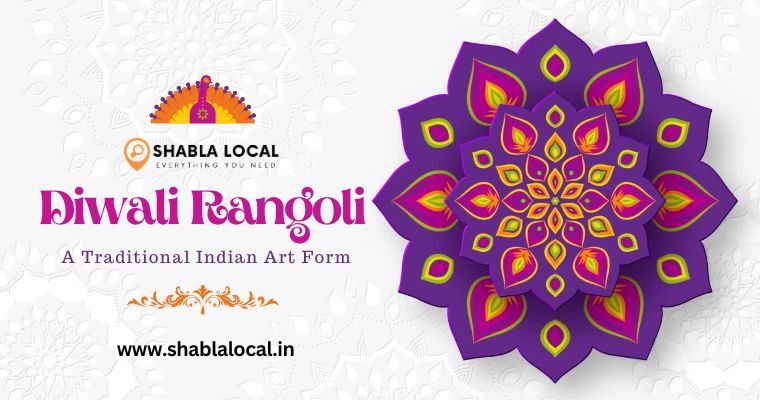
Diwali Rangoli: A Traditional Indian Art Form
Introduction
Rangoli, a vibrant and intricate art form, has been a cherished tradition in India for centuries. This ancient practice involves creating colorful designs on the floor using materials like rice, sand, or flowers. During Diwali, rangoli designs take center stage, welcoming prosperity, warding off evil, and adding a touch of beauty to homes.
History and Philosophy
- Origins: Believed to have originated in Maharashtra, rangoli spread across India.
- Significance: Rangolis are considered auspicious and believed to attract wealth and prosperity. They also serve as a symbol of welcome to deities.
- Gender: Traditionally, rangoli has been a women’s art form, passed down through generations.
Types of Rangoli
- Kolam: Geometric patterns commonly found in Tamil Nadu.
- Mandala: circular designs often used in spiritual practices.
- Peacock Rangoli: Depictions of peacocks, a symbol of beauty and grace.
- Diya Rangoli: Incorporates diyas (oil lamps) into the design.
- Flower Rangoli: Made using colorful flowers and leaves.
- 3D Rangoli: Creates a three-dimensional effect using layering techniques.
- Free-Hand Rangoli: Designs created without stencils or outlines.
- Abstract Rangoli: Based on abstract shapes and patterns.
- Rangoli with Messages: Can convey specific messages or symbols.
Here are some images of the different types of rangoli designs you mentioned

Rangoli Designs
Materials and Techniques
- Traditional Materials: Rice flour, sand, red brick powder, dry flour, and flowers.
- Modern Materials: Chemical colors, which offer a wider range of hues.
- Tools: Fingers, stencils, or outlines can be used to create designs.
- Techniques: The powder is released slowly as the hand moves to form the desired pattern.
Preparation
- Cleaning: The area where the rangoli will be created is thoroughly cleaned.
- Base: Traditionally, cow dung was used as a base, but now water is commonly used.
- Design Planning: The desired design is sketched or outlined.
Symbolic Significance
- Warding Off Evil: Rangolis are believed to ward off evil spirits and protect the home.
- Inviting Prosperity: They are associated with attracting wealth and good fortune.
- Positive Energy: Rangolis are seen as symbols of positivity and optimism.
Cultural Significance
- Community Bonding: Creating rangolis can be a family or community activity, fostering a sense of togetherness.
- Tradition and Heritage: Rangolis are passed down through generations, preserving cultural heritage.
- Religious Significance: They are often used in religious rituals and festivals.
Tips for Creating Rangoli
- Choose a design that suits your skill level and preferences.
- Use high-quality colors for vibrant designs.
- Experiment with different materials and techniques.
- Take your time and enjoy the process.
- Share your creations with others.
Conclusion
Rangoli is a beautiful and meaningful art form that adds joy and festivity to Diwali celebrations. By understanding its history, symbolism, and techniques, you can create stunning rangoli designs that reflect your creativity and cultural heritage.
Benefits of Joining Shabla Local
- Finding Tourist places in different cities.
- Find information about the Tourist places.
- Read reviews and comments of the people.
- Promote your business on our website.
- Make it easy to find your business.
- Sell your product directly to customers.
Our Services
- Business Promotion
- Business Branding
- Digital Marketing
- Social Engineering
- Customer Excellence
- Customer Support
Disclaimer: Listings of businesses on this page are provided as a service from the Shabla Local. Shabla Local is only acting as an aggregator for the business listing, and can’t accept responsibility for any errors or omissions – Please ALWAYS recheck for any updates, particularly regarding contacts, price & offers. Listing or omission of any particular listing should not be taken as an endorsement or otherwise by Shabla Local of the organization or of the policies and practices embodied in the job specification or its outcome in practice.
Sources: All listings on this website, including content and images, are driven by the official website and other public sources.
Contact Shabla Local Team for more information, WhatsApp us on : +918864002802